


ExxonMobil is expected to provide results from its seismic work on the ultra-deepwater Block TTUD-1 by the end of August 2026, Trinidad and Tobago Prime Minister Kamla Persad-Bissessar said.
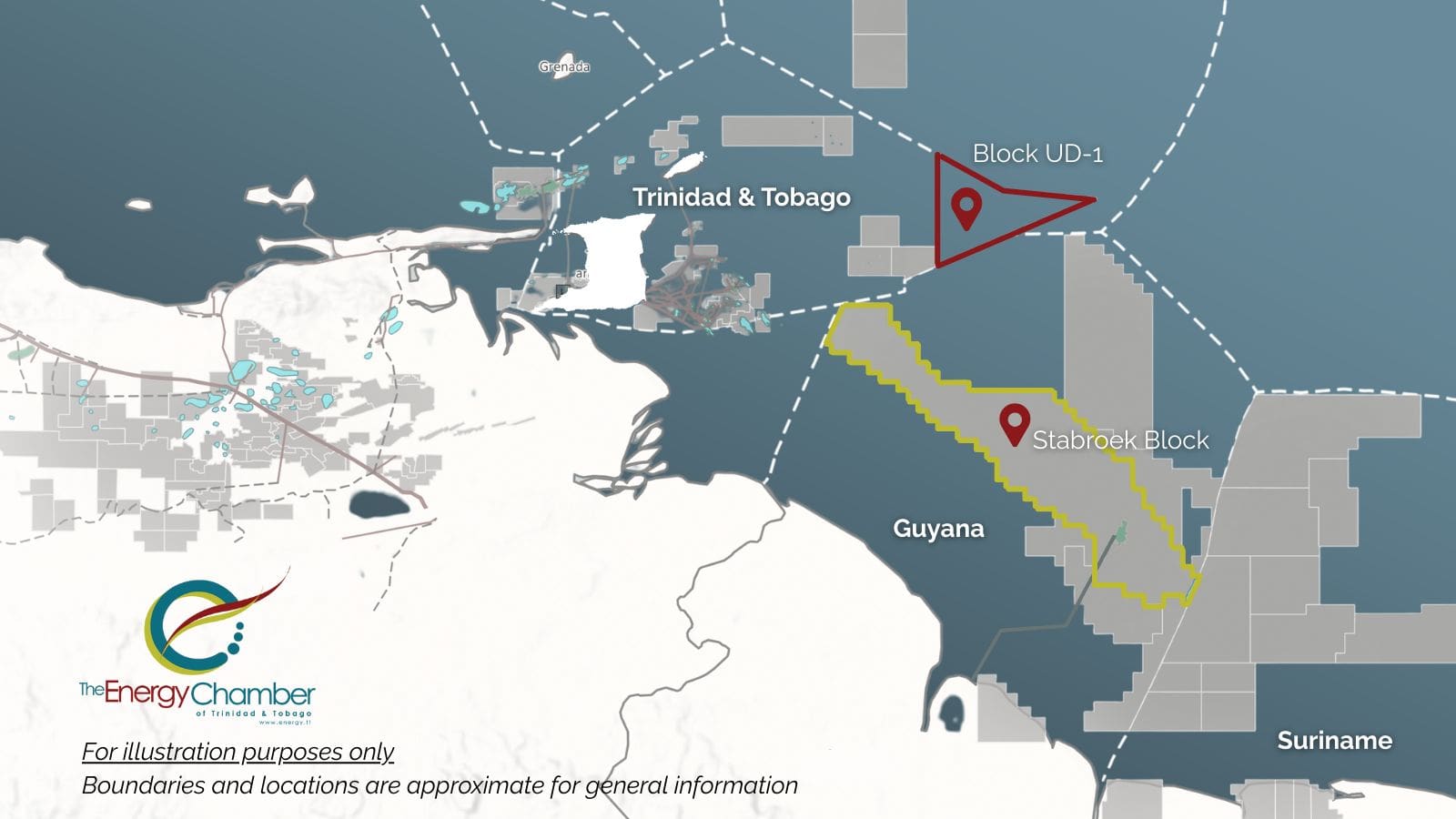
The company has been conducting a 3D seismic survey across approximately 6,000 square kilometers of the block, located off the country’s east coast. The data will be used to evaluate the acreage and identify potential oil and gas drilling targets.
“I was told that we would get the results by the end of August,” Persad-Bissessar on August 10.
TTUD-1 covers 7,165 square kilometers in water depths exceeding 2,000 meters. It combines seven former offshore blocks and is larger than Trinidad and Tobago’s total land area. ExxonMobil signed a production-sharing contract with the government on August 12, 2025. The agreement marked the company’s return to Trinidad and Tobago after more than two decades.
ExxonMobil nears completion of TTUD-1 seismic survey offshore Trinidad | OilNOW
Under its initial work program, ExxonMobil committed to acquire seismic data before conducting geological and geophysical studies. The company must also drill at least one exploration well during the first phase of the contract.
The survey began approximately five months after the production sharing contract was signed. ExxonMobil Trinidad and Tobago Deepwater Limited President Paul Riley said in July that seismic acquisition was nearing completion. Processing, interpretation, subsurface evaluation, and prospect maturation are expected to follow.
ExxonMobil initially held the entire interest in TTUD-1. Anadarko Caribbean Limited, a subsidiary of Occidental Petroleum, later acquired a 10% participating interest.
Persad-Bissessar pointed to that partnership as a signal of confidence in the acreage.
“The fact that you brought in a partner with you means something good is happening there,” she told an ExxonMobil representative attending the event. “So, you’ve got a partner to invest alongside you.”
TTUD-1 has been compared with deepwater petroleum provinces in the Guyana-Suriname Basin, Ghana’s Tano Basin, and offshore Nigeria. Trinidad and Tobago is pursuing exploration in the acreage to identify new resources as production from its mature fields declines.