



Tristar Port Inc. is positioning its West Bank Demerara facility as a modern logistics hub built to support Guyana’s growing offshore oil and gas industry and wider cargo movement.
The facility is located about 1.5 kilometers from the Bharrat Jagdeo Demerara Harbour Bridge. It is designed to give customers faster cargo handling, reduced congestion, safer cargo movement, and direct access to key transport routes.
The port is being developed as Guyana’s offshore industry continues to drive demand for stronger logistics infrastructure. It also gives importers and offshore operators an option outside the more congested Georgetown and East Bank corridors.
Tristar Port Chief Executive Officer Cristobal Schlaubitz described the facility as purpose-built for Guyana’s operating environment. He noted that many existing ports were built years ago and later upgraded.
Deepwater action pushing major shorebase developments in Guyana | OilNOW
Tristar’s port was designed by Case Engineering from Louisiana, which Schlaubitz identified as a company that specializes in building in swampy areas. Its structure includes 90-foot concrete piles driven into the ground and a concrete platform built above them. The design is intended to support heavy-duty port operations.
Schlaubitz explained that the engineering standards set the facility apart from older port infrastructure in Guyana.
“There’s nothing in the country that has been designed and built to those standards, and therefore we’re an ultra-high-strength port, and you know certainly the most modern infrastructure that is in existence at this point,” he said.
A key advantage is the facility’s West Bank location. Tristar connects directly to the Demerara Harbour Bridge and provides access to Heroes Highway. That allows cargo to move more efficiently to areas outside downtown Georgetown.
The 24-hour operating model is also part of Tristar’s value proposition. It allows cargo to move without the same restrictions faced by operators in more congested areas. This is important for time-sensitive cargo and offshore logistics, where delays can affect schedules and costs.

Tristar to acquire additional 300 acres of land for major shorebase project in Guyana | OilNOW
Tristar’s integrated layout also allows cargo to move from the general cargo port to the shore base within the same facility. This reduces the need for certain cargoes to use public roads after being imported through the port.
Schlaubitz noted that the setup improves safety, especially for cargo used in offshore exploration and production.
“[And] I think one of the biggest factors is safety,” he added.
The facility also offers significant storage capacity. Tristar currently has 25 acres completed under phase one. Another 20 acres is expected to be stabilized by the end of the third quarter, bringing the developed area to 45 acres. The full 65-acre facility is expected to be developed toward the first quarter of next year.
“By the end of the third quarter, we should have another 20 acres of land fully stabilized,” Schlaubitz said.
The port is also being expanded to support more vessels. Tristar has a 500-meter berth, with another 100 meters on an east-west berth. The company plans to add another 300 meters. A further 100 to 150 meters is planned on the inside section for vessels doing maintenance, tank cleaning, and other activities that do not require loading or discharge operations.
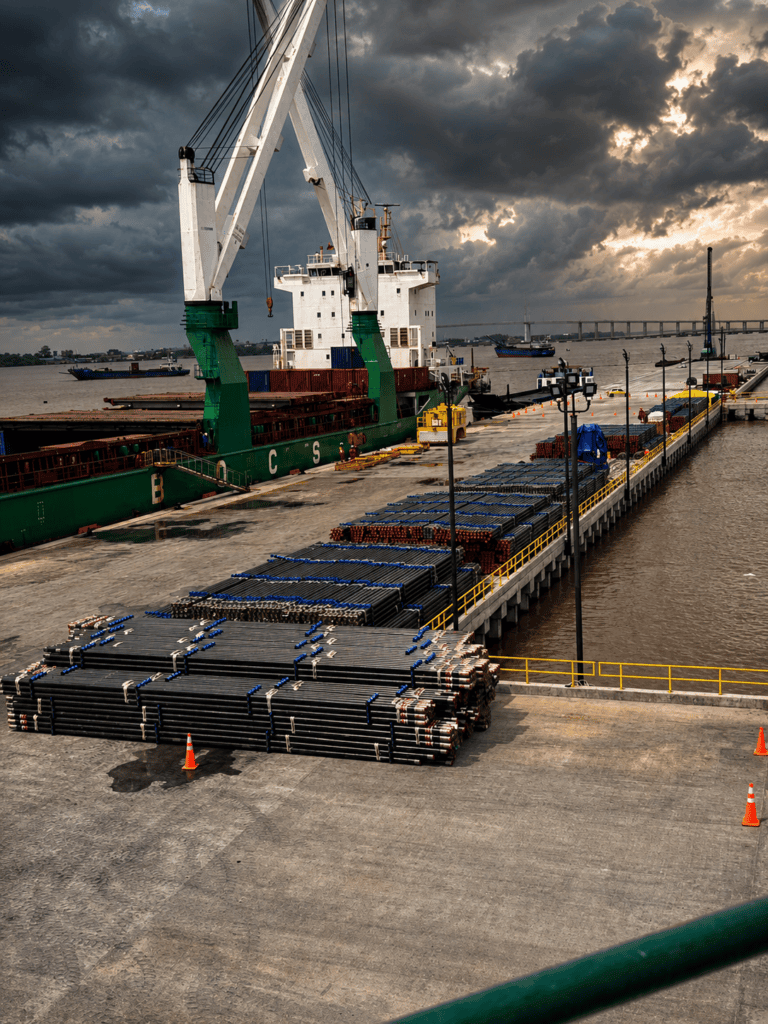
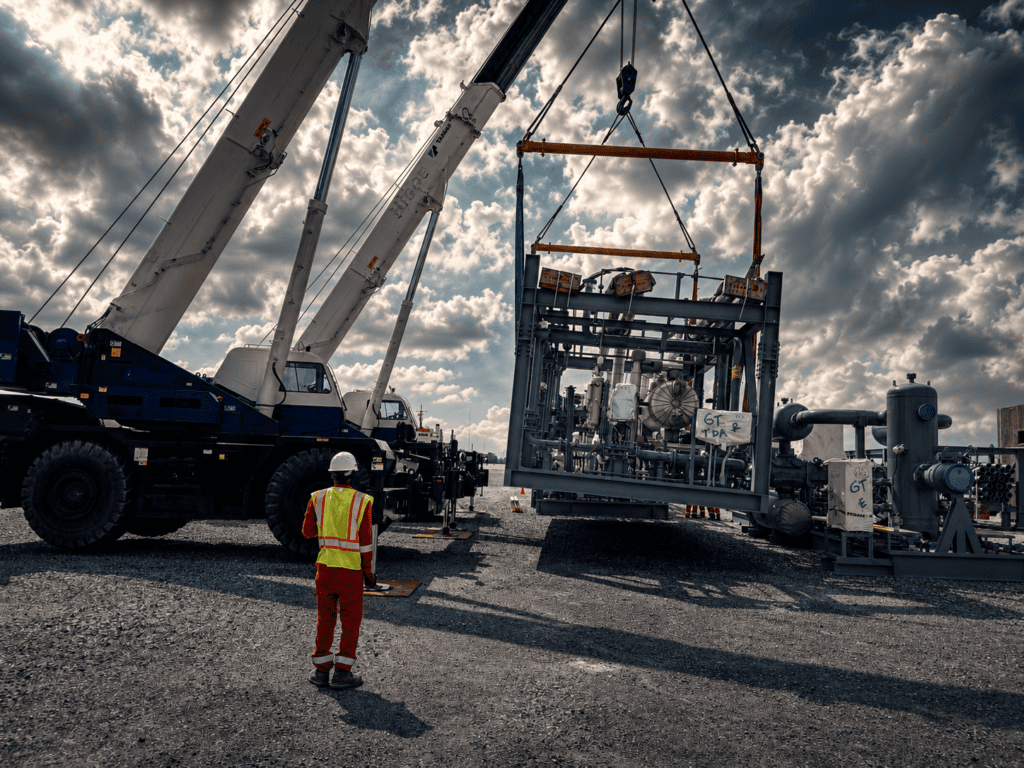
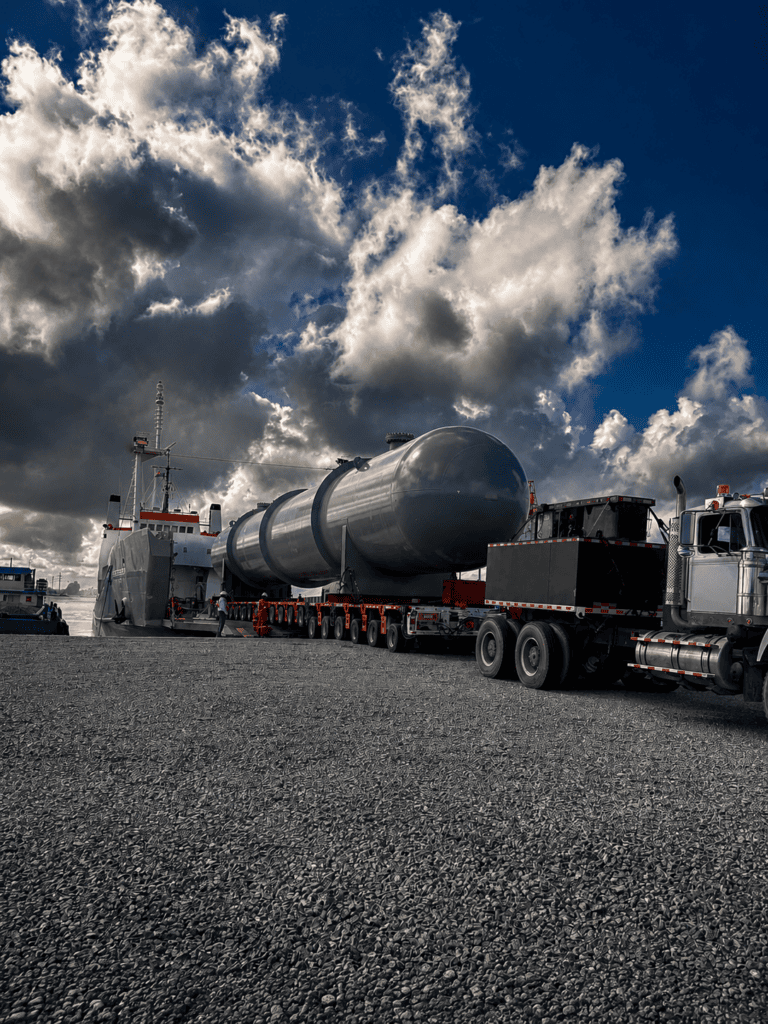
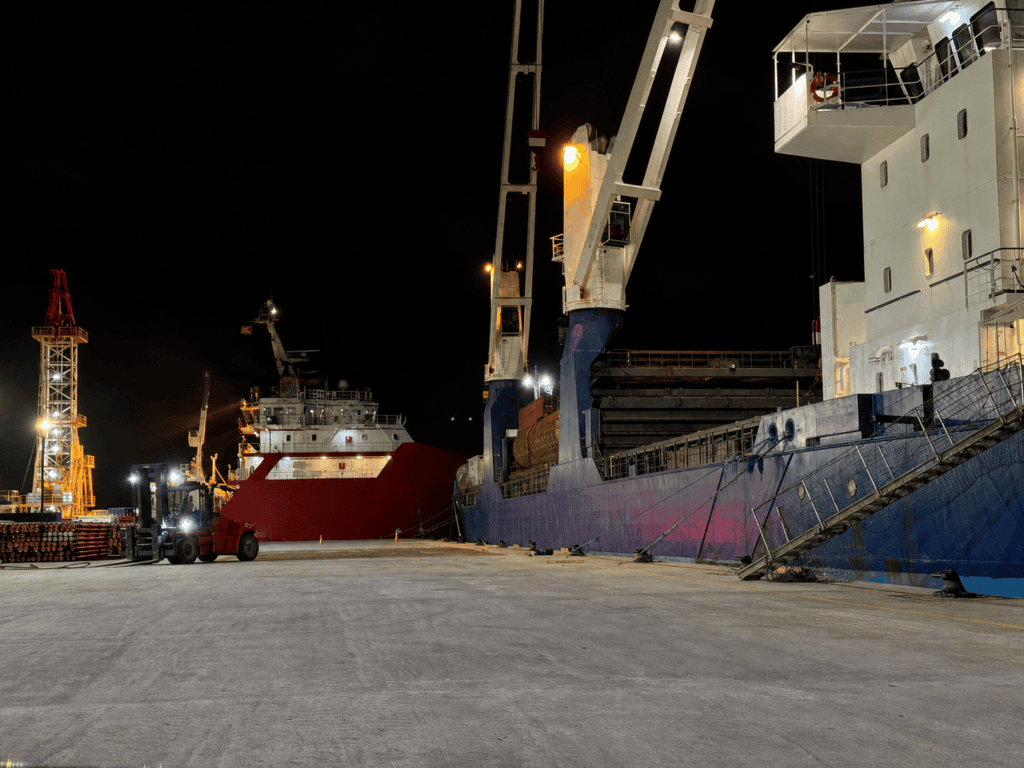
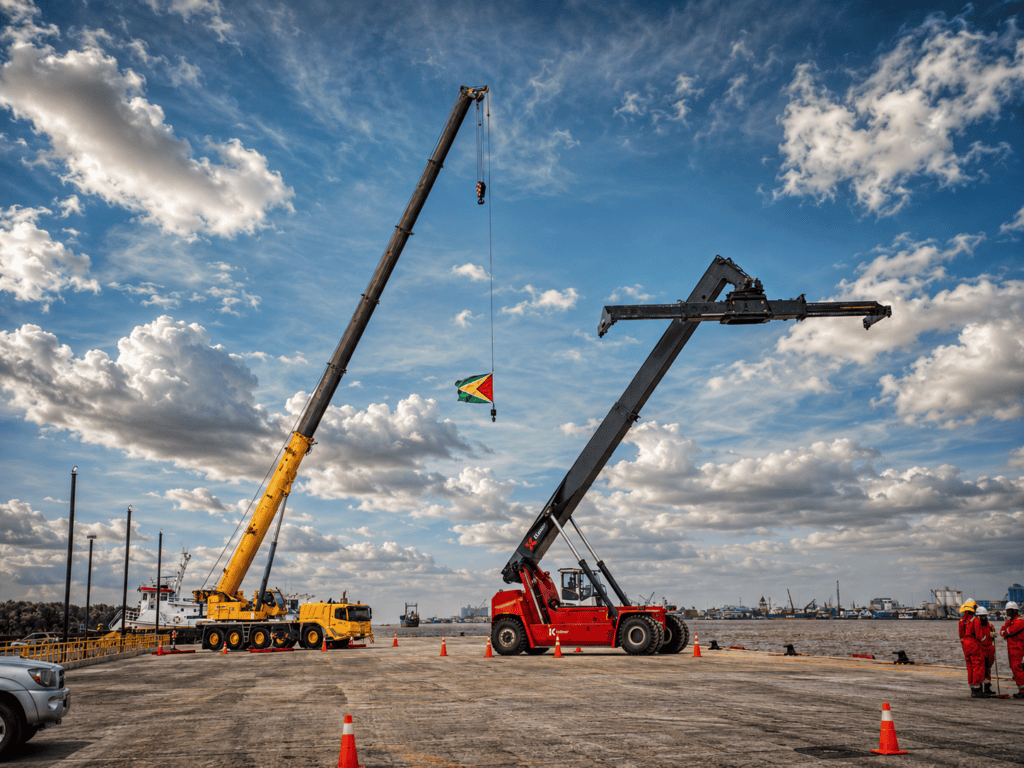
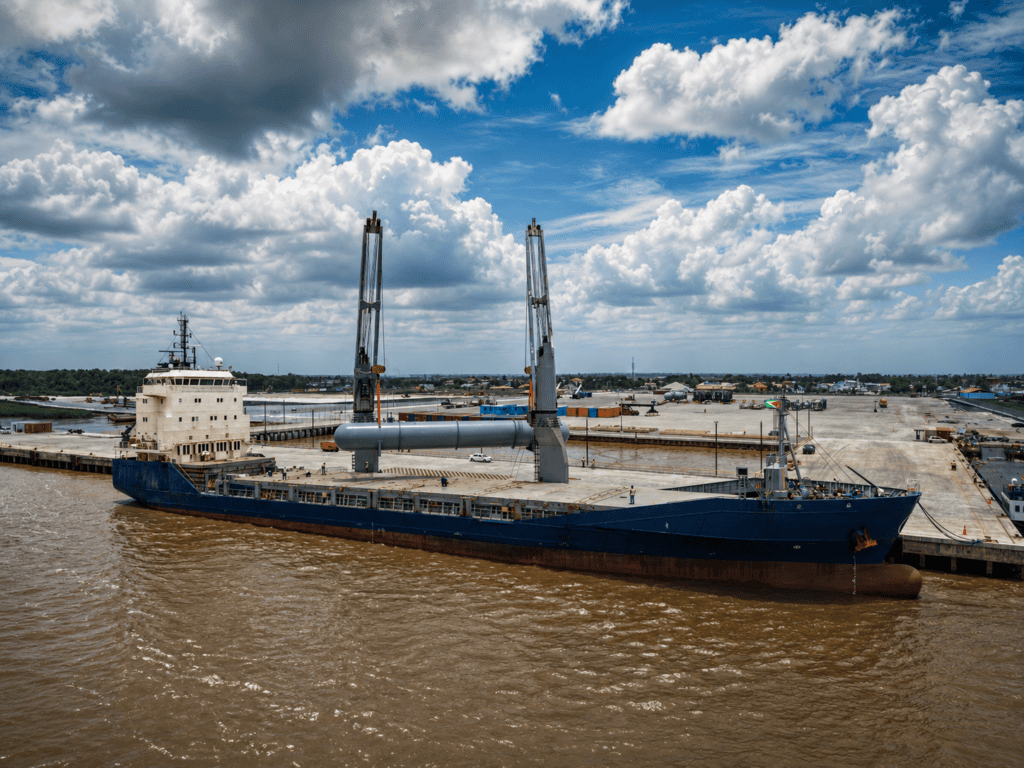
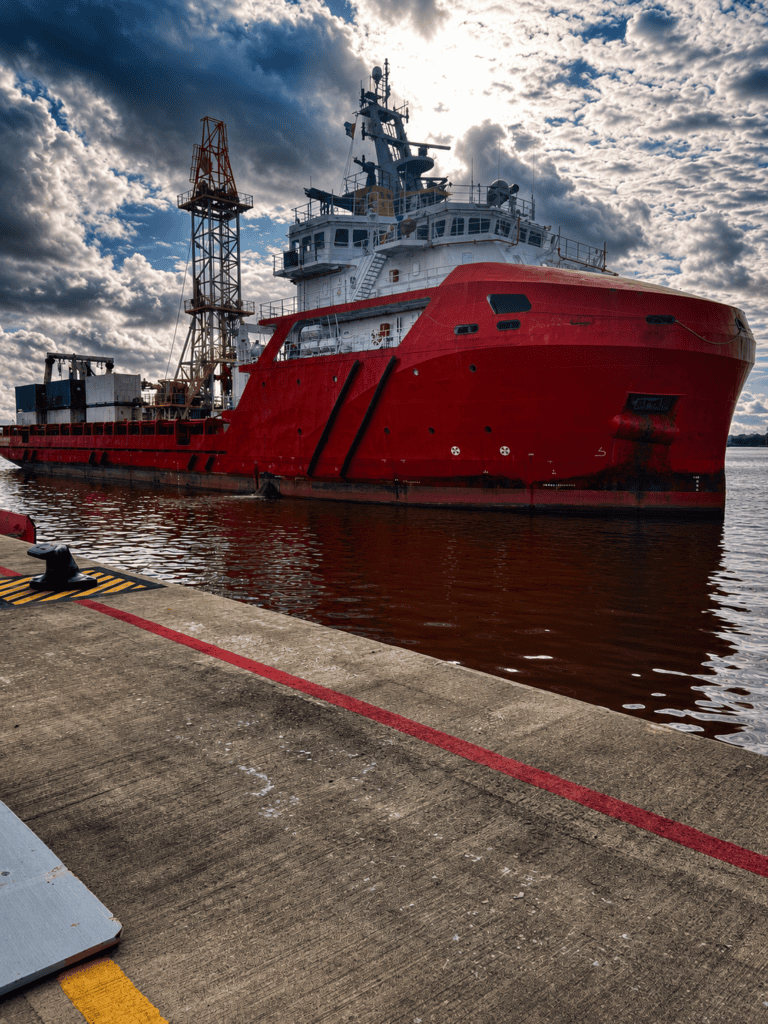
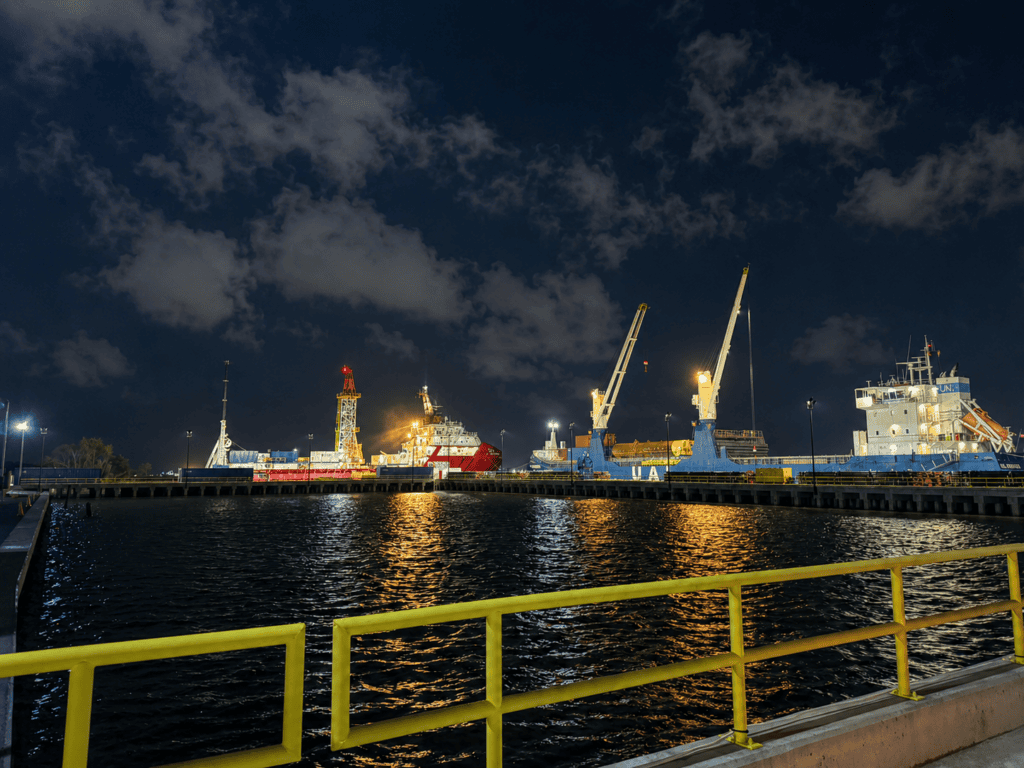
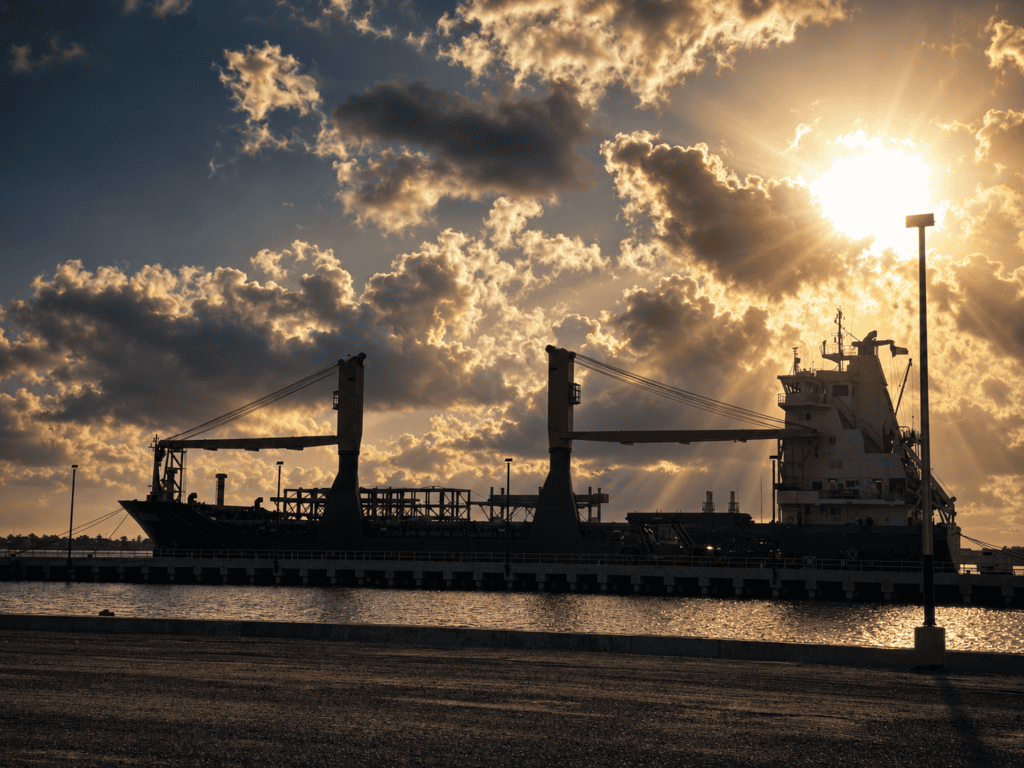
The facility is currently dredged to about seven meters at low water, and Tristar plans to deepen it to nine meters. Schlaubitz explained that the port was built with room to go deeper if future demand supports it.
The project also represents a major private-sector investment in Guyana’s port infrastructure. Schlaubitz puts the total investment across all phases at an expected US$250 million.
The facility currently employs about 60 Guyanese workers. Schlaubitz indicated that Tristar’s long-term goal is to localize almost all positions as the port grows.
Tristar also plans to add shore-based mobile harbor cranes once cargo flows increase. Schlaubitz estimated that investment at more than US$20 million. The equipment would improve unloading speed and support faster vessel turnaround.
The facility’s core proposition to customers is efficiency. It is built to move cargo faster, reduce logistics delays, and support safer offshore supply operations.
“It’s bringing in your cargo effectively, unloading it as quickly as you can, and therefore saving money by doing it,” Schlaubitz said.