

Global oil supply conditions could tighten further if disruptions around the Strait of Hormuz persist, with inventories and spare production capacity that typically cushion shocks already under strain and being depleted, raising the risk of supply shortages if the disruption continues.
This is according to Chevron Chief Executive Officer Mike Wirth, who in a May 6 CNBC interview, said the market is operating with reduced flexibility as inventories fall and shipping routes remain constrained.
“The global energy system continues to be under extreme stress. The world consumes about 100 million barrels of oil a day. Roughly 20% of that typically flows through the Strait of Hormuz. 20% of global LNG supply comes from the region and also transits through the Strait. So, as that has become closed off, there are a few options to reroute around that. What’s happened is that the world is very short on supply,” Wirth said.
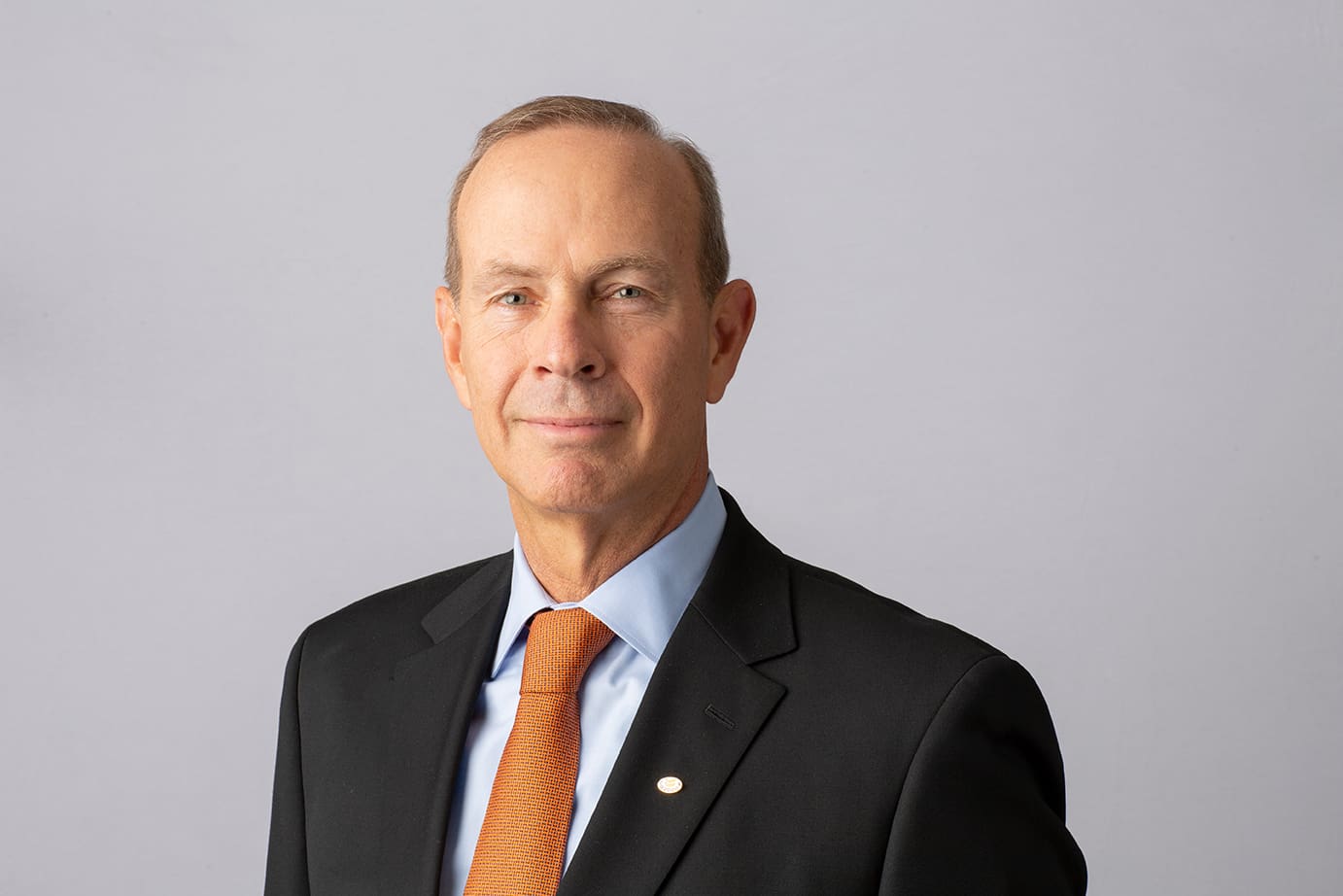
He warned that pressure is expected to intensify, stating that “the longer this goes on, I think the more acute the situation becomes… I think until flows resume through the Strait, we’re going to continue to feel this pressure and be exposed to more upside movements. Well, that’s certainly the scenario that we’re concerned about.”
Wirth said that with inventories already below typical buffer levels, any further constraints on flows could increase price volatility and tighten balances across refining hubs.
“Markets have a hard time looking out into the future and really having a good view on when things get resolved, when these inventories can be rebuilt, and the flows are returned… But as those inventories get drawn down, the price has to go up… And we’re already seeing now, jet fuel prices, diesel prices in Asia, in Europe, at very high levels,” he said.
Chevron Chief Financial Officer Eimear Bonner echoed a similar view in a May 7 Bloomberg interview, noting that the company has been adjusting global crude and product flows in response to constrained shipping routes, including rerouting volumes away from affected corridors.
From a company perspective, she said Chevron’s diversified portfolio has helped it manage exposure, with production and refining assets across multiple regions, allowing flexibility in response to shifting trade patterns.
Chevron prioritizes low-cost, long-life assets as capital discipline tightens – S&P Global | OilNOW
“A lot of the inventory and spare capacity have been depleted already… that’s why what we’re focused on in Chevron is adjusting the flows of our products to customers because a number of those routes are not available anymore. The Strait of Hormuz is obviously still shut in.
So, we pivot, and we adjust,” she said.
The company said crude from Guyana is becoming a growing part of its global supply mix, as it relies more on flexible equity barrels to support refining performance and manage market volatility.
Chevron entered the Stabroek Block after acquiring Hess and, as a result, its 30% stake in the block last year, joining ExxonMobil and CNOOC. ExxonMobil has discovered 11 billion barrels of oil equivalent discovered at the acreage since 2015, and oil production now exceeds 900,000 barrels per day.